A weather barrier, not just a color
Paint on the outside of a house is doing a job. Caulked joints and a sound film are what keep water out of the sheathing behind the siding.
A beautiful first impression
Exterior painting for Chicago and suburban homes, with rich color, sharp trim, and prep made for the seasons ahead. A fresh look that feels right at home.
Fully insured. Written scope. Careful cleanup.
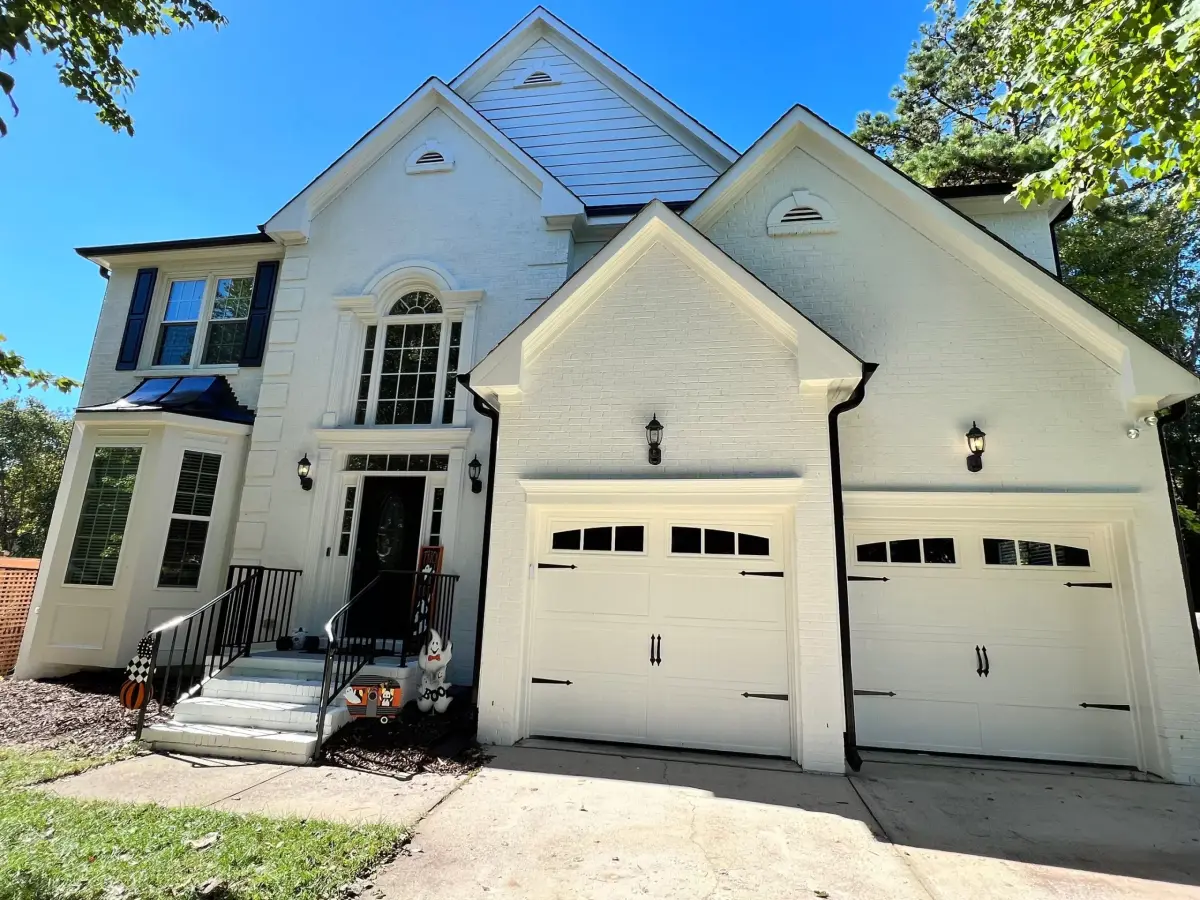
Paint on the outside of a house is doing a job. Caulked joints and a sound film are what keep water out of the sheathing behind the siding.
Wash, scrape, sand, caulk, prime. It is the slowest part of the job and the only part that decides whether you are repainting in four years or twelve.
Chicago gives roughly seven months where exterior coatings cure properly. We schedule against that window and tell you early when weather moves a date.
Beyond the siding
We look at the whole home, then build a scope around its materials, condition, and the details you want to highlight.
The largest surface and the one that sets the price. Cedar, Hardie, vinyl, aluminum and stucco all behave differently once a brush is on them.
Where water gets in first. Fascia and soffit rot is the most common thing we find once the ladders go up.
Small surfaces, disproportionate effect. A repainted front door changes the whole elevation for very little money.
Steel and fiberglass need a bonding primer. Rolling straight over a factory finish is why so many garage doors chalk within two summers.
Horizontal surfaces hold standing water and snow, so they wear faster than anything vertical and get a harder coating.
Usually stain rather than paint. Priced as its own trade, since the prep is different work.
The finished feeling
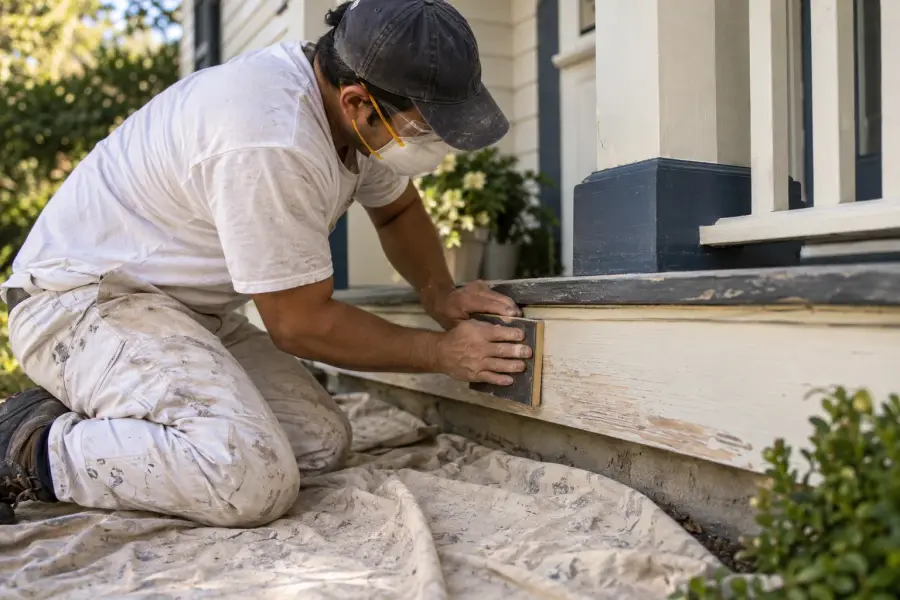
The work behind the finish
Low-pressure wash to take off chalk, dirt and mildew, then a drying day. Coating over damp siding is the single most common cause of early failure.
Failed coating comes off, edges get feathered, and soft trim gets replaced rather than filled. We show you anything we find before we do it.
Joints, gaps and end grain sealed, then spot or full priming depending on what is bare. This is the waterproofing step.
Two coats on anything bare or changing color, then a walk around the house with you before the ladders come down.
Right product. Right surface.
Lake weather, freeze and thaw, and a hundred years of housing stock. What goes on the wall depends entirely on what the wall is.
Exterior paint is doing more than making the house look finished. It is the layer keeping water out of the sheathing, and in a climate that freezes and thaws dozens of times a winter, that layer either holds or it does not.
Almost every early failure we get called out to look at comes from the same three things: siding that was still damp when it was coated, old paint that was never scraped back to a sound edge, and joints that were never caulked. None of those are visible on the day the job finishes. All three show up by the second or third winter, usually as peeling along the south and west elevations first.
So the prep is the job. Low-pressure wash and a genuine drying day, scrape and feather the failed areas, replace the soft trim instead of filling it, caulk the joints, prime what is bare. Only then does color go on. It is slower than the alternative and it is the entire reason one repaint lasts a decade and another lasts four years.
We quote exterior work on site, because stories, siding type, and how much repair the walls need move the number more than square footage does. You get the findings and the price in writing before anything starts.
Cedar bleeds tannin through a waterborne primer. Get that wrong and brown stains come through the finish coat within a season.
Factory-finished board mostly needs washing and cut edges primed. It is one of the few surfaces where less prep is genuinely correct.
Brick has to release moisture. Seal it with the wrong film and freeze-thaw pushes the face off the brick, which is not repairable.
Hairline cracking is normal in stucco. A coating with some flex bridges it instead of cracking along the same lines next winter.
Vinyl moves a lot with temperature and warps if painted too dark. Vinyl-safe colors are formulated to reflect enough heat to stop that.
Trim fails before siding does because it takes the water first. Replacing soft sections costs less than painting over them twice.
Know what to expect
Exterior pricing depends on stories, siding type and how much repair the walls need, so we quote it on site rather than publishing a number that would misrepresent your house.
The surfaces you want finished, access, dimensions, and the details to include.
Existing paint, repairs, bare wood, and any areas that need extra attention.
A coating plan suited to the material, with the scope and price confirmed before work begins.
From our customers
“Very responsive, communicative, timely, and quality work. Would definitely work with them again, thanks so much for the stunning transformation of our home with your great paint work!”
Let's clear things up
A few answers about the season, the surfaces, and what your exterior project involves.
Roughly April through October, depending on the year. Most coatings need surface temperatures above about 50F and falling overnight, and they need dry siding. We book against that window and move dates for weather rather than pushing through it.
We wash at low pressure. High pressure drives water behind siding and furs up cedar, which creates a worse surface than the one we started with. The goal is clean and dry, not blasted.
Yes, and we would rather do it than paint over it. Soft fascia, trim and sill sections get replaced and primed. We photograph what we find and price it before doing the work.
Two on anything bare, repaired, or changing color. A sound existing coating in the same color can take one. We say which one your house is at the walkthrough rather than defaulting to whichever is easier to quote.
Yes, but it is a one-way decision, so we talk it through first. Brick must stay breathable, which rules out ordinary exterior acrylics and means a mineral or purpose-made masonry coating.
On properly prepped wood, eight to twelve years is a reasonable expectation in this climate. On Hardie or masonry, longer. On siding that was painted over dirt or damp, three or four.
We stop, cover, and pick up when the surface is dry. It is the reason exterior timelines are given as windows rather than fixed days, and why we tell you early when one moves.
Local homes. Local painters.
A fresh start, with Bold Coat
Tell us what you have in mind. We will help you put a plan together.