The house stays livable
We work room by room, put furniture back at the end of the day, and keep a path through the house that does not run through wet paint.
A fresh feeling in every room
Interior painting for Chicago and suburban homes. From the bedroom you have been meaning to refresh to every wall in the house, we make the details feel considered.
Fully insured. Written scope. Careful cleanup.
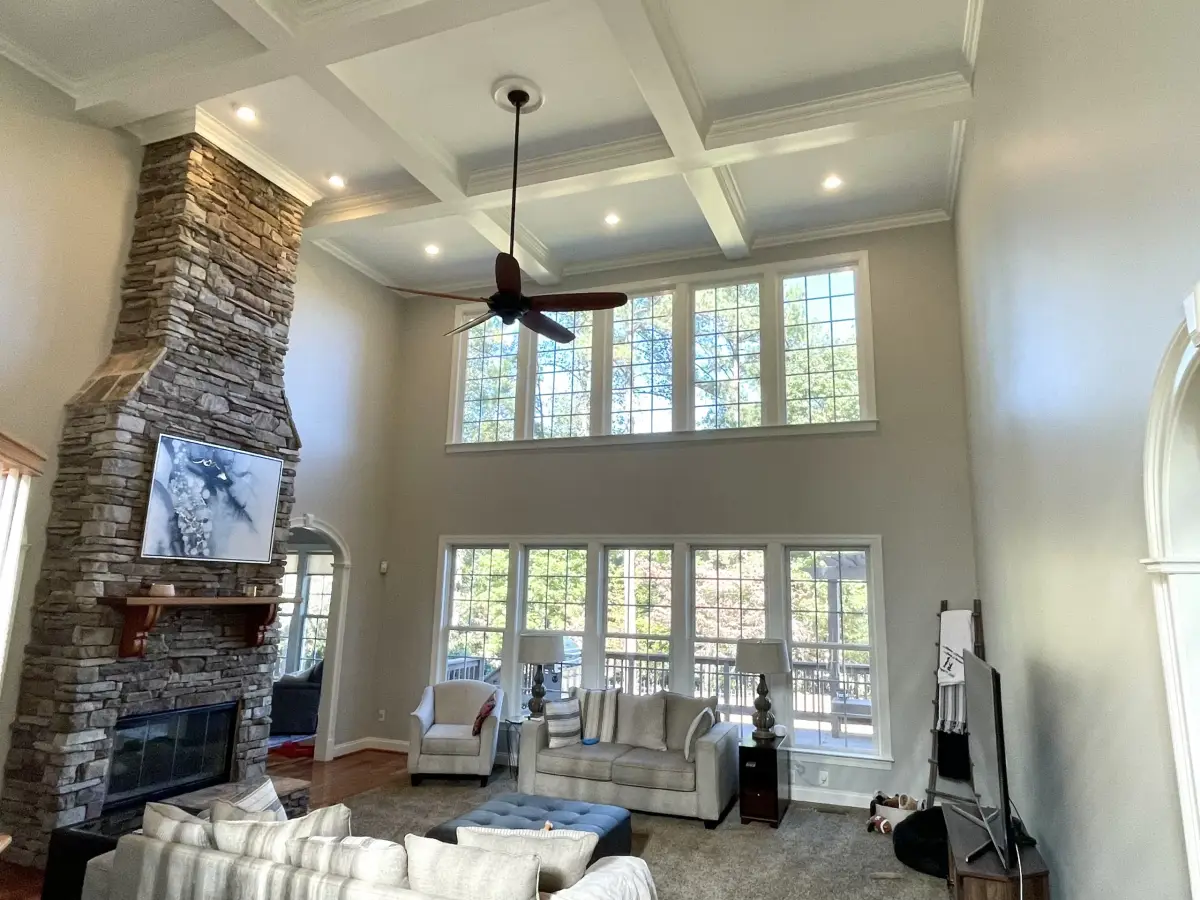
We work room by room, put furniture back at the end of the day, and keep a path through the house that does not run through wet paint.
Hallways, kids, and radiators are hard on a wall. The sheen we pick is the one that will still wipe clean in three years, not the one that photographs best on day one.
Nail holes filled, cracks taped, glossy trim scuffed, edges cut by hand. The part nobody photographs is the part that decides how the wall looks in three years.
Room by room. Detail by detail.
A new wall color is only the beginning. Choose the rooms and surfaces you want refreshed, and we will take it from there.
Usually the largest wall areas in the house, and the ones where a lap mark or a wandering ceiling line shows from across the room.
Quick to turn around and easy to sequence, so you are never without somewhere to sleep while the work runs.
Moisture and cleaning products mean a harder film. These rooms get a different product from the bedrooms next door.
The highest-traffic surfaces in a house and the hardest to reach. Stairwells need staging, which is worth saying out loud in a quote.
Flat white hides the most, but a ceiling that has been patched needs a spot prime first or the repair reads through the finish coat.
Baseboards, casing, crown, and doors. The slowest part of an interior job and the part people look at closest.
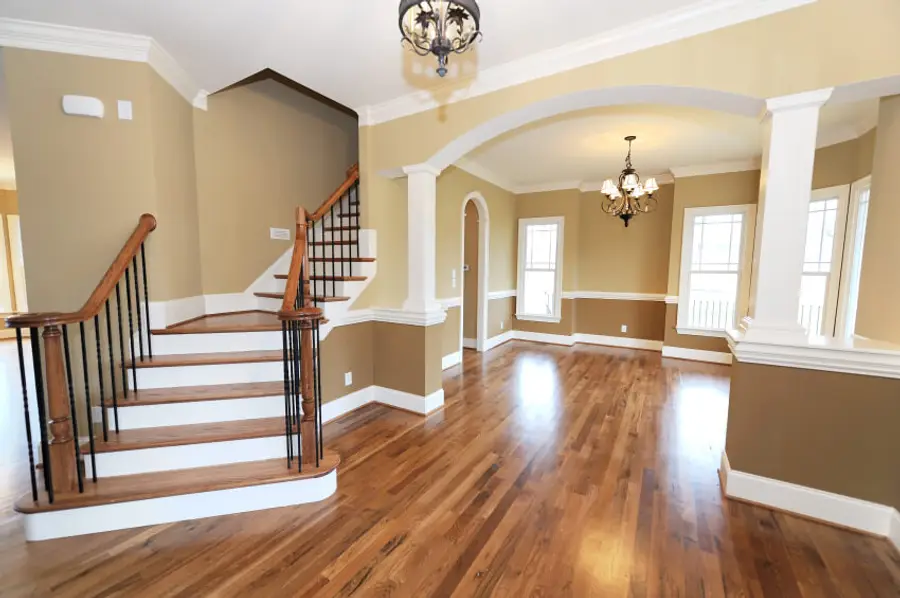
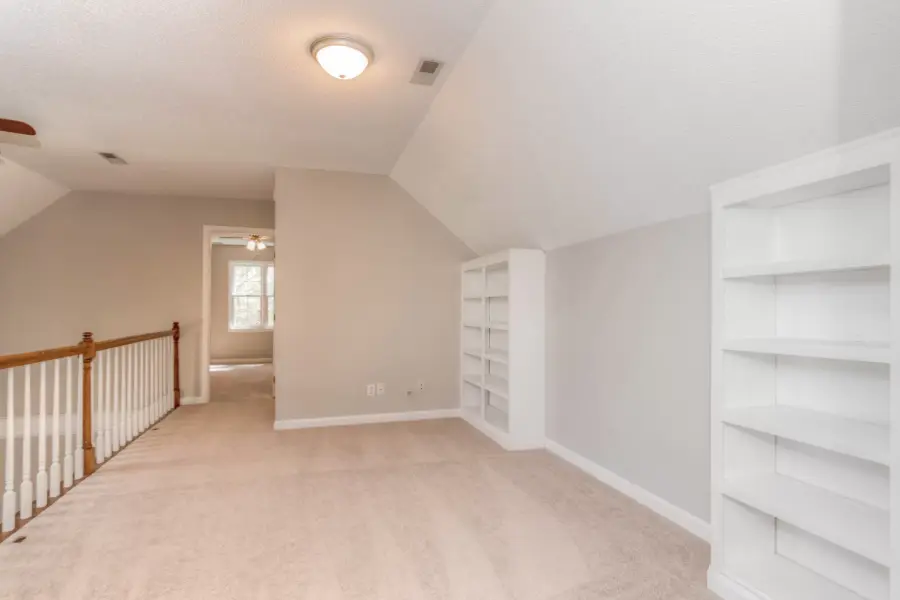
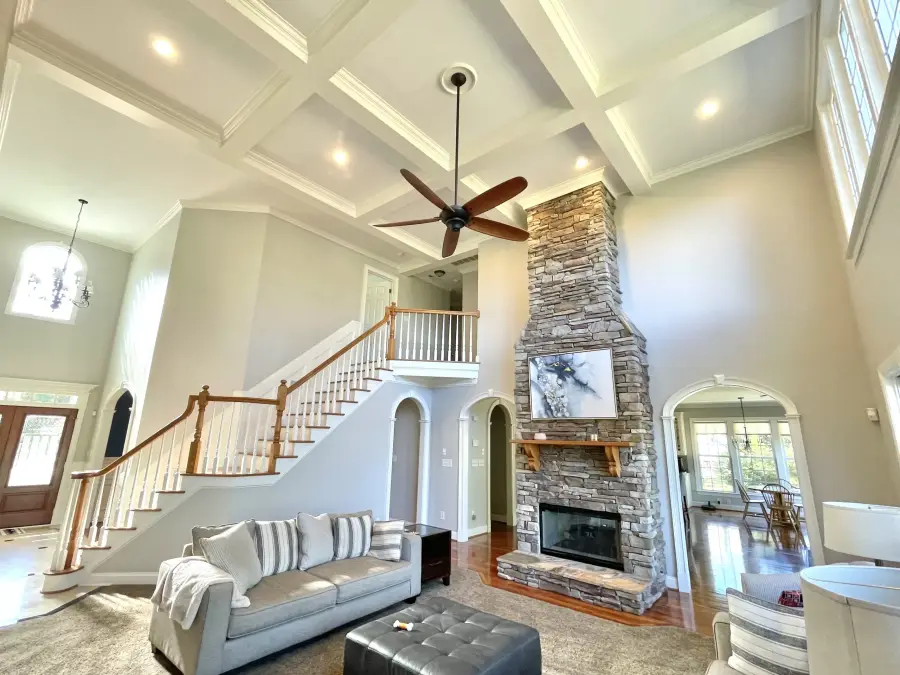
The finished feeling
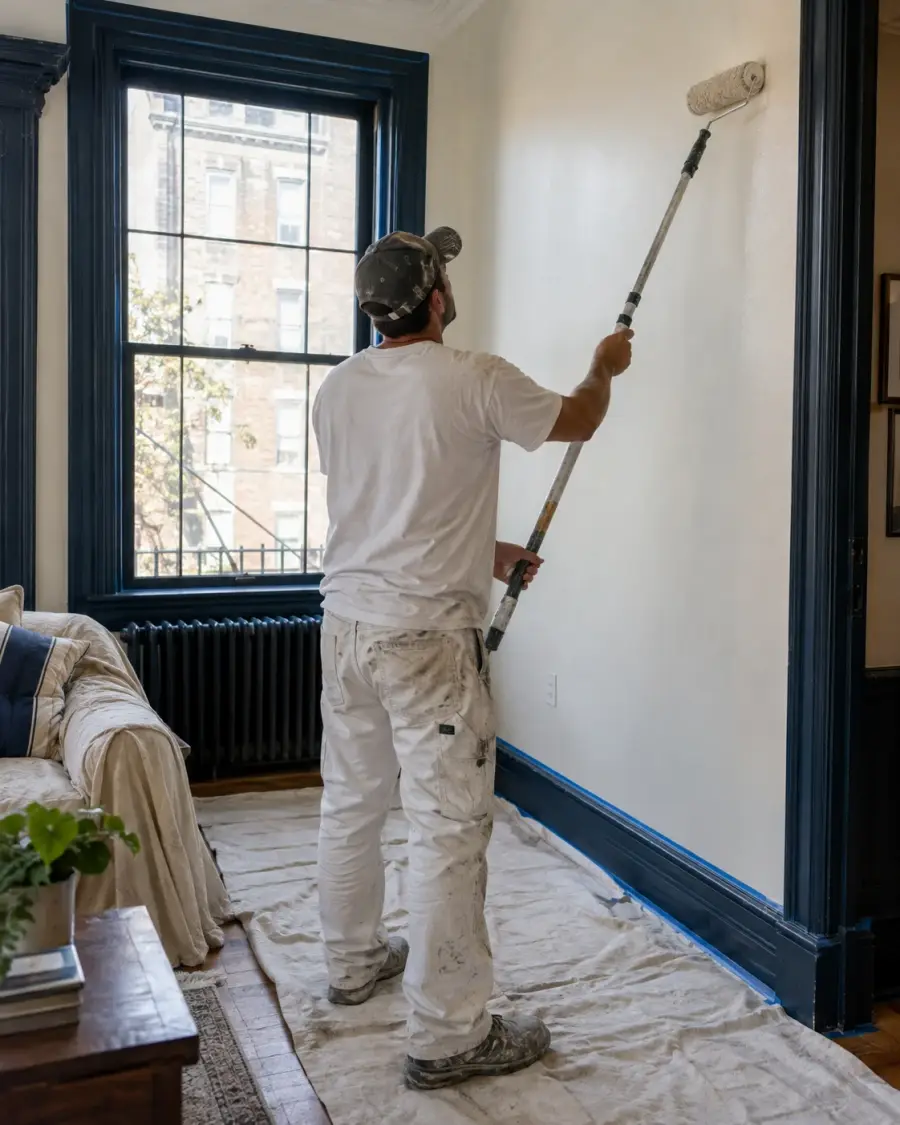
The work behind the finish
We walk every room, note the repairs, agree sheens and colors, and put it in writing. Nothing opens until you have that.
Floors and furniture covered, vents sealed, then filling, sanding, and caulking. This is the day that decides how the finish looks.
Repairs, bare substrate, stains, and color changes get spot or full priming. Not every wall needs it, and we will say which ones do.
Two coats unless the color is staying the same, then a walkthrough with you before anything leaves the house.
Right product. Right surface.
Chicago housing stock runs from 1890s plaster to last year's drywall, and they do not take paint the same way.
Interior work should feel calm while it is happening and finished when we leave. That means masking that holds, cuts that stay sharp, and coats that cover without telegraphing the repairs underneath.
Most of what separates a good interior job from a bad one happens before any color goes on. Filling and sanding, deglossing old woodwork, sealing a patched ceiling so the repair does not flash through in afternoon light. None of it is visible in the finished room, which is exactly why it is the first thing a low quote leaves out.
Chicago houses make that prep matter more than most. A Logan Square two-flat with original plaster, a Wilmette colonial with sixty years of paint on the trim, and a new-build in Naperville all need different primers to end up with the same flat, even wall. We walk the rooms with you, say which surfaces need what, and put it in the scope before anyone opens a can.
From a single bedroom to a whole-home repaint, the standard does not move: protected floors, clean edges, furniture back where it started each evening, and a walkthrough you sign off before we pack the van.
Old plaster is often chalky or has been patched a dozen times. Primer is what stops the wall drinking the first coat unevenly.
Joint compound and paper face absorb at different rates. Skip the sealer and every seam telegraphs through in raking light.
Levels out like an oil, cleans up like a latex, and does not go yellow in a north-facing room the way traditional oil does.
Paint does not stick to a slick surface. Anyone who rolls straight over old gloss is leaving you a finish that peels at the first knock.
Steam, grease, and cleaning mean the film has to take repeated wiping without burnishing.
Know what to expect
Interior is the part of our pricing that is fully published, so you can get a real range for your own rooms without booking a visit first.
Walls, ceiling, and baseboards. Prep, patching, two coats.
See the difference
From bold walls to a softer palette. Explore two paint-color transformations and picture what a fresh coat could do for your space.
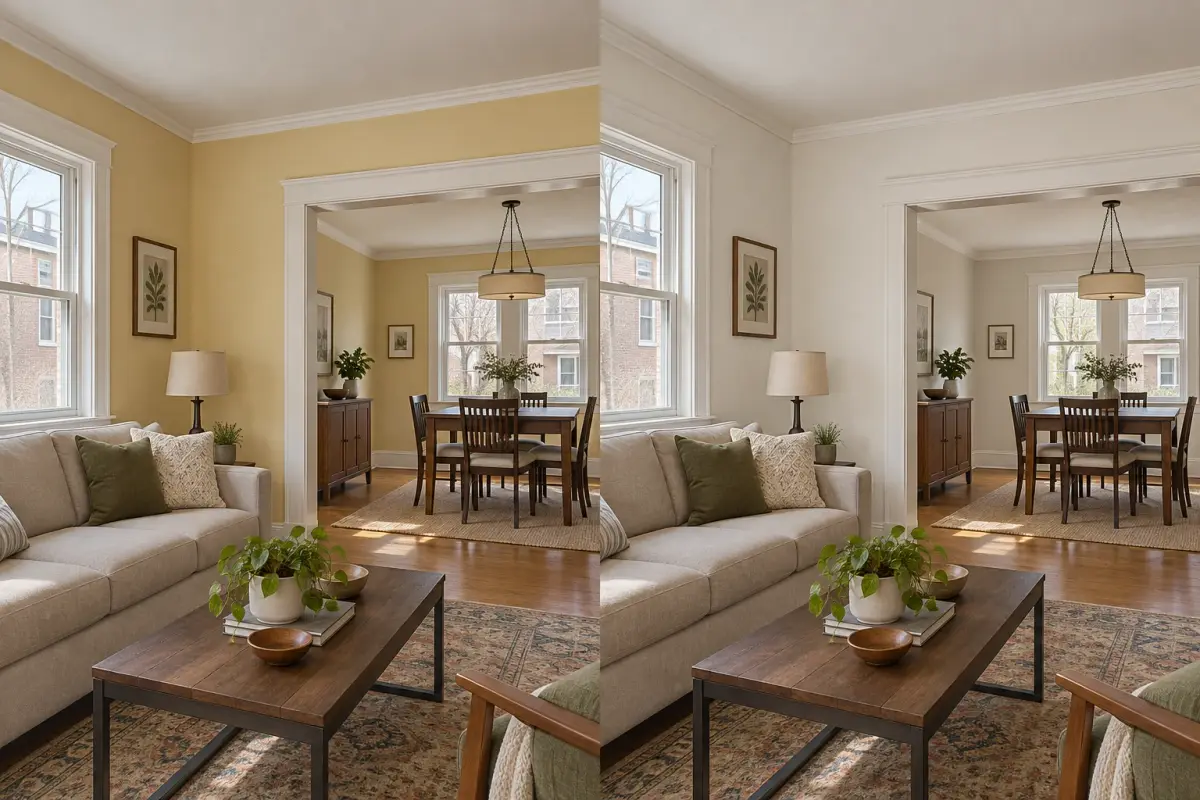 BeforeAfter
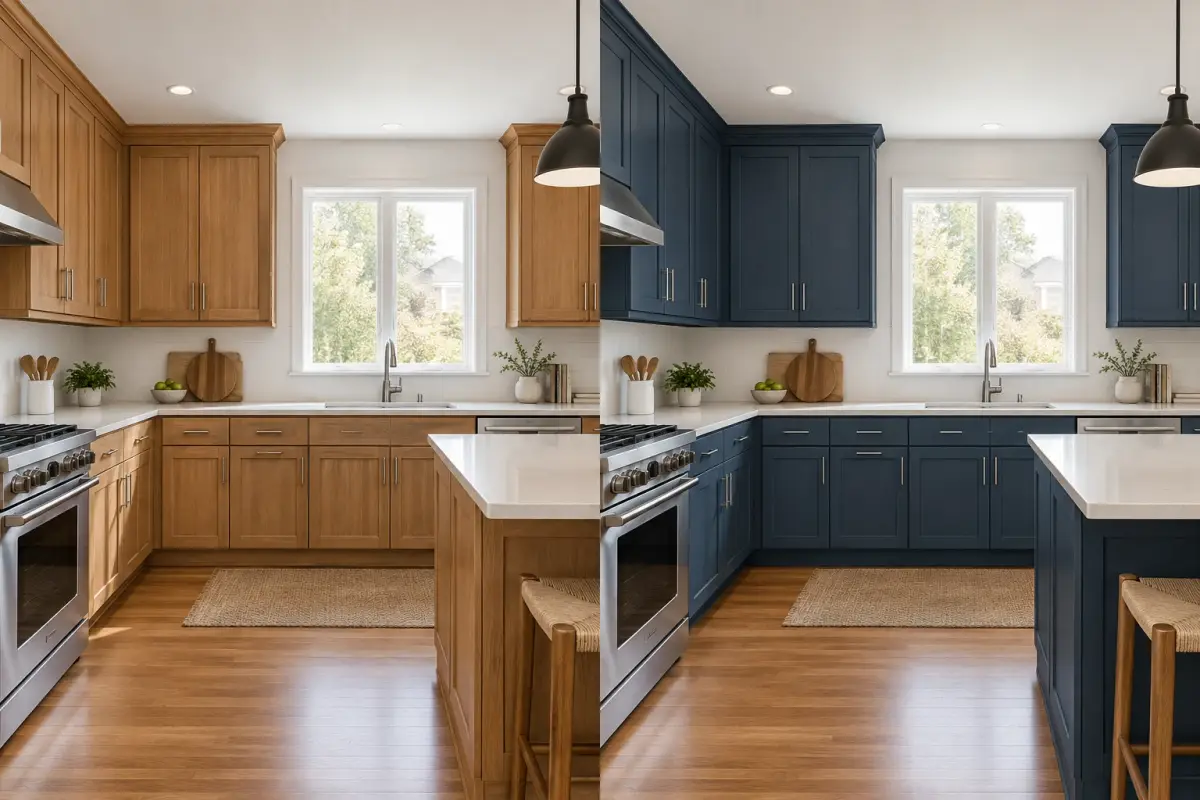 BeforeAfter
AI-generated before-and-after concepts for color inspiration, not photographs of completed projects.
From our customers
“This crew did an amazing job on my new condo! I was in a rush to get 4 rooms, a hallway and a bathroom painted, including ceiling trim & doors, and they got in done in three days! The work was impeccable, the painters were friendly, and the quote was exactly what I wanted to pay.”
“Mohamed came out to repair some grout and caulking, he was efficient, he was kind, and he was professional. The price was great and he did not try to take advantage like some folks do. Thank you so much.”
Let's clear things up
What to expect while we are working, from staying in your home to choosing the right number of coats.
Almost always. We work room by room, keep a clear route through the house, and put furniture back at the end of each day. Whole-home repaints on a tight deadline are the one case where being out helps.
Yes, and they are priced separately because they are genuinely different amounts of work. Trim is the slowest surface in the house; ceilings are the fastest per square foot.
Floors and furniture are covered, vents are sealed so sanding dust does not travel through the ducts, and we use low-odor waterborne products in occupied homes wherever the scope allows.
Usually not. A same-color refresh over sound paint is one coat. A color change, a sheen change, or bare substrate is two. Our pricing follows that rule rather than charging two coats by default.
Bring us a chip, a lid, or a piece of the wall and we can match it. Final color choices stay with you and are confirmed in writing before we open anything.
Filling, sanding, and spot priming are part of a normal interior scope. Structural cracks that keep moving get flagged at the walkthrough rather than filled and forgotten.
A single room is usually a day or two. A full floor runs most of a week. Your written scope gives a start date and a realistic finish window, and we tell you early if anything moves.
Local homes. Local painters.
A fresh start, with Bold Coat
Tell us what you have in mind. We will help you put a plan together.