Offices and suites
Open floors, private offices, conference rooms and demised suites between tenants. Most of this runs after hours so nobody works around a drop cloth.
Painting around your hours
Commercial painting for Chicagoland offices, storefronts and common areas. Scheduled around your business so the space is back in use when we said it would be.
Insured, documented, and supervised on site.
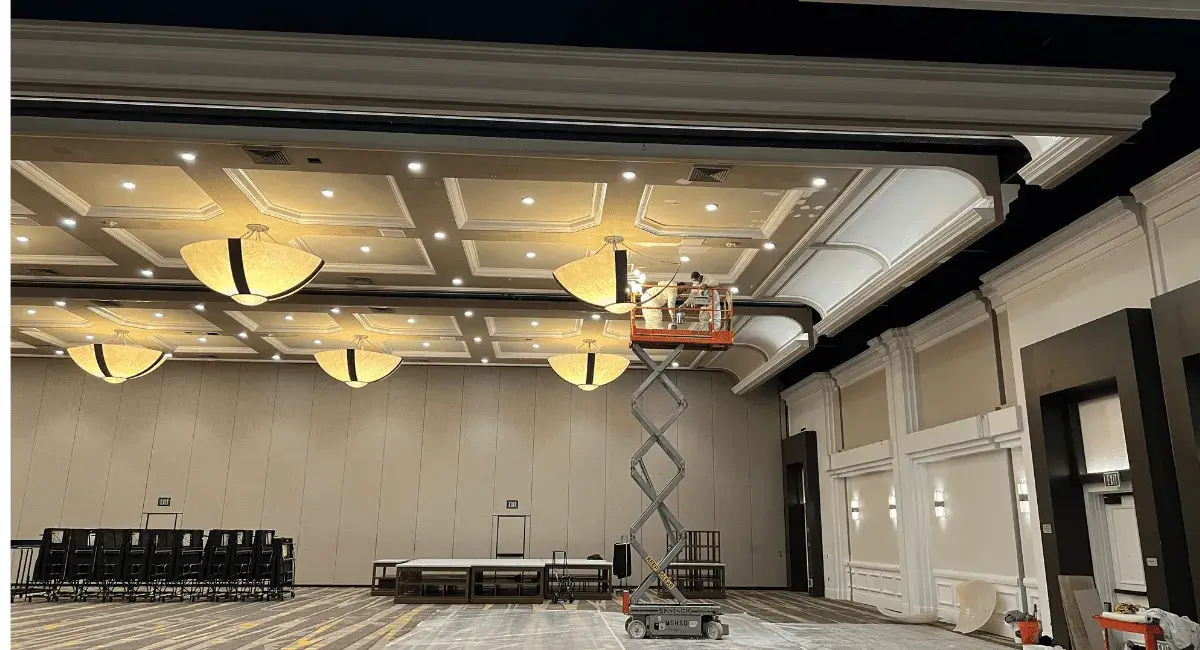
What we paint in a commercial building
Every surface gets a coating chosen for how much traffic and cleaning it will actually take.
Open floors, private offices, conference rooms and demised suites between tenants. Most of this runs after hours so nobody works around a drop cloth.
Sales floors, back of house, and the exterior a customer sees first. We work to your quietest hours and keep the entrance usable throughout.
Block walls, exposed deck and structural steel, sprayed for coverage and speed, with racking and equipment masked or worked around in sections.
The parts of a building every tenant sees daily. Scuff-resistant coatings and a containment plan so the route through stays open.
Halls, classrooms and sanctuaries, usually scheduled around a service or program calendar rather than a business week.
Dining rooms, bars and guest corridors. Overnight work, low-odor products, and the room handed back ready for service.
The finished feeling
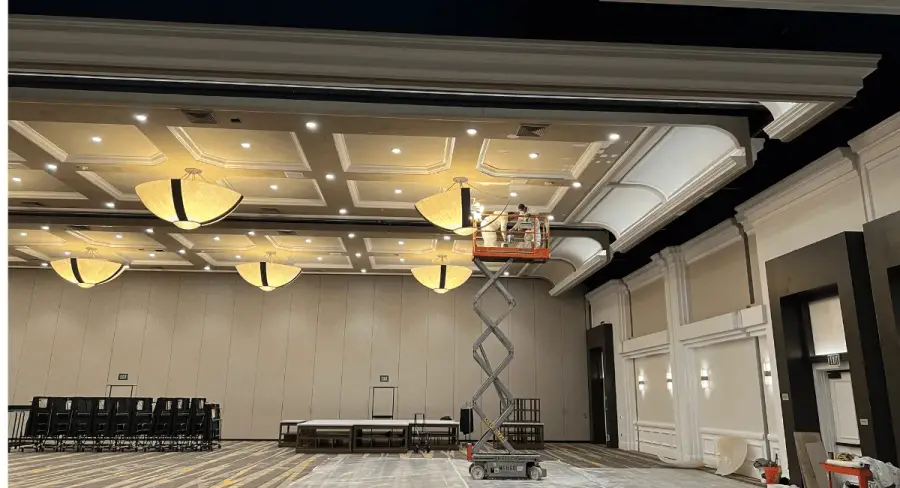
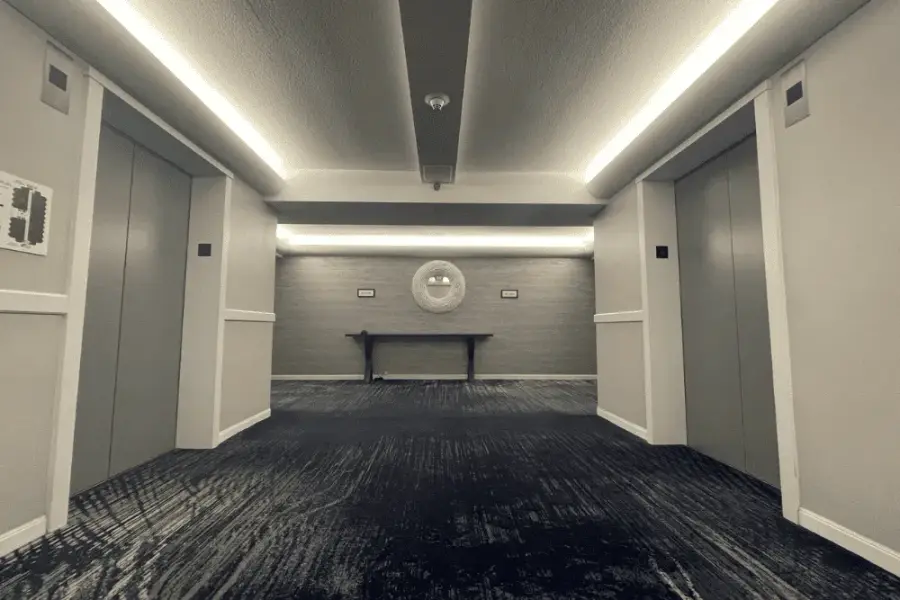
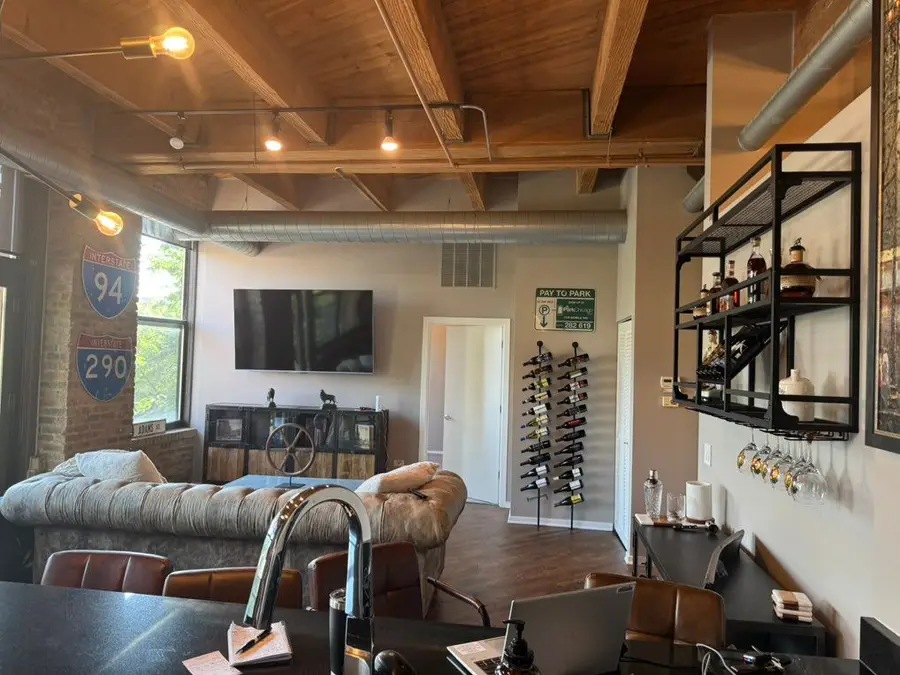
The work behind the finish
The common case. We start after close and hand the space back before your first shift, with the area reset rather than merely tidy.
A full weekend often covers a floor of offices or a whole sales floor with no weekday interruption at all.
For buildings that never fully close, we take one zone at a time. The written scope sets the sequence and the access plan before day one.
Containment where dust travels, low-odor products where people stay, and every route, exit and fixture back in service at the end of each shift.
Right product. Right surface.
A commercial job is not one paint. The surface decides the coating, and the wrong choice shows up as peeling block or a corridor that scuffs gray in a season. This is what we specify unless your own spec says otherwise.
Commercial painting is bought on the schedule as much as the finish. The wall has to look right, but the harder part is that a floor of offices, a sales floor or a hotel corridor has to be back in service by a specific hour, and everyone in the building has to be able to plan around it.
That is the part we scope first. Before any price, we agree what gets painted, what stays, when we are on site, and how the space is handed back each morning. Surfaces are measured rather than estimated by eye, because a number built from a walk-through guess is a number that changes halfway through.
A commercial job is several different jobs at once. Drywall in an office takes a scrubbable eggshell. Block in the warehouse behind it needs a filler before anything else goes on, or the topcoat sinks into the pores and dries pinholed. Metal doors want a direct-to-metal enamel that survives a cart hitting the same edge every day. Getting that wrong is not a cosmetic problem: it is a repaint eighteen months early, at your cost.
The crews are vetted, background-checked, supervised and fully insured, and the paperwork that your office or association needs, certificates naming your entity, W-9, and lien waivers, arrives before the first day rather than after someone chases it.
If you manage several properties or bring us repeat work, the commercial page covers how account pricing and the partner program work.
Scrubs clean, dries with little odor, and the space can be occupied the next morning.
Bare block drinks paint and leaves a pinholed finish. The filler closes the pores first so the topcoat sits flat.
Bonds without a separate primer coat and survives carts, hand trucks and hands on the same edge every day.
Spraying is the only way to get even coverage across that much broken surface inside a realistic shift.
Holds its sheen where luggage, chairs and shoulders keep meeting the wall.
Bridges hairline cracks and keeps moving through a Chicago freeze and thaw instead of splitting.
Know what to expect
Commercial work is not priced by room count, so there is no rate card for it. It is priced on measured surface area, access, coating spec, and how the schedule is shaped: a floor done over one weekend and the same floor done in four overnight phases are different jobs. Send the scope or the drawings and you get a written number and a date, usually inside two business days.
The surfaces you want finished, access, dimensions, and the details to include.
Existing paint, repairs, bare wood, and any areas that need extra attention.
A coating plan suited to the material, with the scope and price confirmed before work begins.
Let's clear things up
Access, documentation, and how we sequence work so the space keeps operating.
Yes, and for most commercial work that is the default rather than an upgrade. Nights, early mornings and weekends are all normal for us, and the schedule is written into the scope before the first day so it is not a conversation you have to keep having.
Containment where dust would travel, negative pressure or poly barriers on larger prep, and low-odor or zero-VOC products anywhere people stay in the building. Every route, exit and fixture goes back in service at the end of each shift, not at the end of the job.
Yes. Those are three different coatings and the surface decides which one. Block needs a filler before any topcoat, metal takes a direct-to-metal enamel, and exposed deck is sprayed. The table above sets out what we specify for each.
On measured surface area, access, the coating specified, and the shape of the schedule. Phasing a job across several overnight visits costs more than the same square footage over one weekend, because it is more separate trips.
Yes. If you have a spec, a finish schedule or drawings, we price to them and flag anything we would do differently before you sign, rather than after.
Certificates of insurance naming your entity, W-9, and conditional and unconditional lien waivers on your schedule. They reach your office before we start, not after someone chases them.
Yes. We take one floor, wing or suite at a time so the rest of the building keeps operating. The sequence and the access plan are agreed in writing before anyone is scheduled.
Yes. Predictable volume costs us less to schedule and that is reflected in account pricing. The commercial page explains how the partner program works.
Local homes. Local painters.
A fresh start, with Bold Coat
Tell us what you have in mind. We will help you put a plan together.