Interiors
Interior Painting While You Live in the House
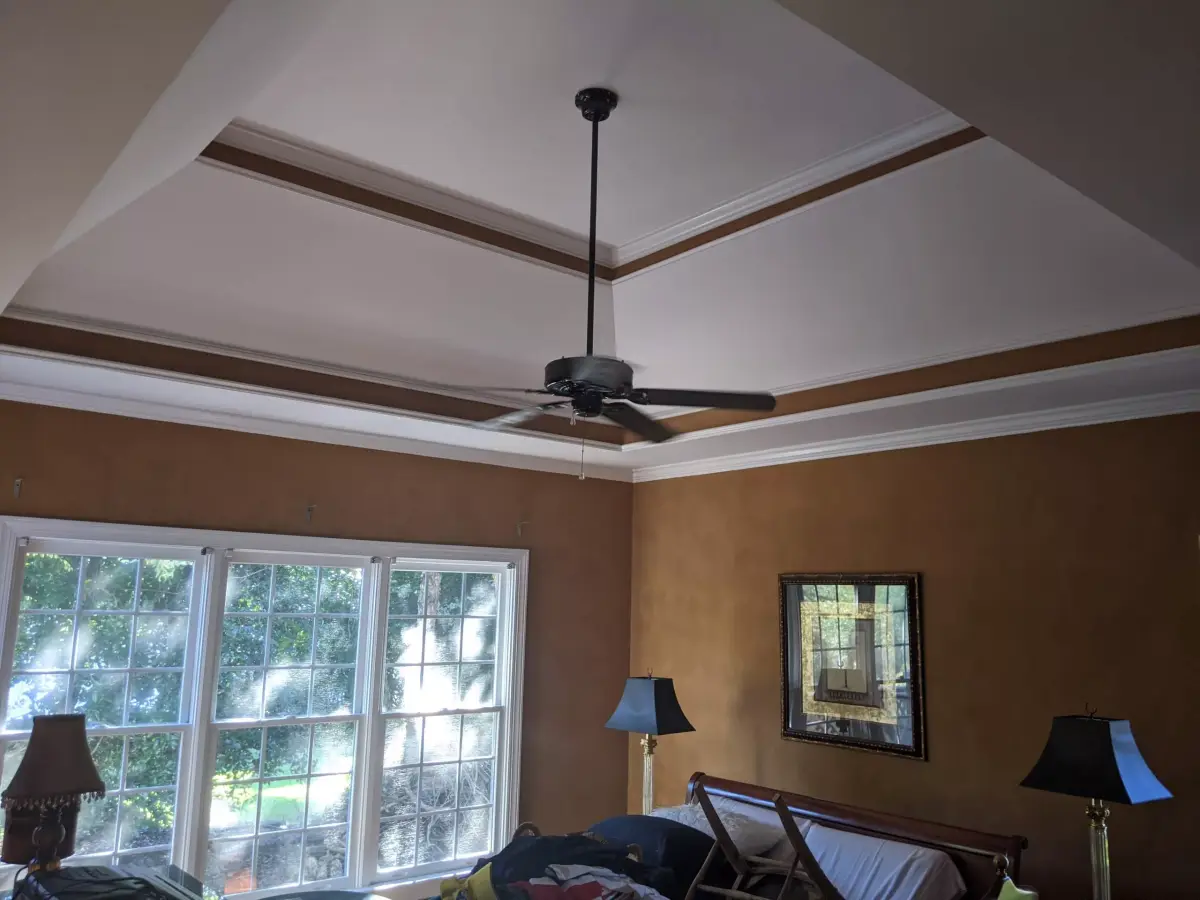
Most interior painting in Chicagoland happens in a lived-in house. Someone is working from the dining table, kids need their beds at night, and the dog has opinions about strangers with ladders. None of that is a reason to postpone. It is a reason to plan the job in a particular way, and this is what that looks like.
Decide the order of rooms before anyone arrives
The single most useful thing you can do is agree the room order in writing before the first day. Two patterns work.
Bedrooms first, living areas last. Bedrooms are quick, usually a day each including the ceiling, and finishing them first means everyone sleeps in a finished room while the crew moves on to the rooms you can live around. This suits families with young children.
Living areas first. If you work from home and the dining room is your office, get it done first, in one push, and move upstairs while it dries. This suits couples and households where the bedrooms are easy to give up for a day.
Either way, the crew should be able to tell you on the first morning which room they will be in on each day. If they cannot, the job has not been planned.
What to clear, and what to leave
Clear anything small, valuable or breakable from the rooms on that day’s list: pictures, lamps, electronics, books off the shelves that are being painted around, the contents of a closet whose interior is in scope. Pull anything off the walls, including hooks and nails, unless you want the hole filled and painted over.
Leave the large furniture. Moving a sofa to the middle of a room and covering it is part of the job, and so is putting it back at the end of the day. A painter who asks you to empty a room entirely is asking you to do part of the work.
Cover or move anything you would be upset to find a speck of dust on. There will be dust. Sanding filler and deglossing trim produce it, and a good crew controls it with sealed vents and floor protection but does not eliminate it.
Dust and smell
Ask what the crew does with the HVAC. The right answer is to close and cover the supply and return vents in the room being sanded, so the dust does not travel through the ducts to a room that was finished yesterday. Then floors covered wall to wall, not a drop cloth in the middle.
Smell is mostly about the product. Wall paints in an occupied house should be low-VOC or zero-VOC acrylics, which are fine to sleep near the same night. The thing that lingers is oil-based trim enamel, which some painters still prefer for how it levels on doors and baseboards. A waterborne alkyd enamel gives the same leveling and hardness with a fraction of the smell, and is what we use in occupied homes. If a quote does not say what goes on the trim, ask.
Kids and pets
The practical hazards are open cans, wet trim at hand height, and a ladder in a hallway. A crew that works in an occupied home closes cans between uses, tapes off the door of the room in progress, and keeps the ladder in that room rather than the hall. Pets are easiest in a finished room with the door shut, or out for the day if they are anxious around strangers.
Wet doors are the classic problem. A freshly enameled door cannot be closed for a day or so without sticking to the frame. Bedroom and bathroom doors get painted early in the day and left ajar overnight, or done on a day when that room can stay open.
What each day looks like
Arrival at an agreed time, a short check-in about which rooms are on the list, protection down, then prep, then paint. At the end of the day: furniture back where it was, floors uncovered in finished rooms, tools out of the hallway, and a two-minute walk with you through what was done. The house should be usable every evening, and you should never discover a change you were not told about.
The scope that makes it work
All of this comes down to what is written before the job starts: which rooms, in which order, which surfaces in each (walls, ceiling, trim, doors), what condition the walls are in and what prep that means, and which products go where. Our interior painting page covers how we run the sequence, and the estimator gives you a range for your own rooms in about a minute, before anyone visits. If you are comparing painters, the one whose quote reads like a plan for your week is the one who has done this before.
FAQs
Do we need to move out for interior painting?
Almost never. Room-by-room sequencing keeps a bedroom, a bathroom and a path through the house usable every night. The exception is a whole-home repaint on a tight deadline, where being out lets the crew run every room at once.
Do we have to move the furniture?
Small and breakable things, yes: pictures, lamps, electronics, anything on a shelf. Large furniture gets moved to the middle of the room and covered by the crew, and goes back at the end of the day.
How long is the smell around?
With modern low-VOC paints, the room is fine to sleep in the same night in most cases. Oil-based trim enamel is the exception and is worth planning around; a waterborne alkyd gives the same finish without the days of smell.