Exteriors
Painting Cedar Siding in Chicagoland, and Why Lake Weather Finds a Thin Paint Job
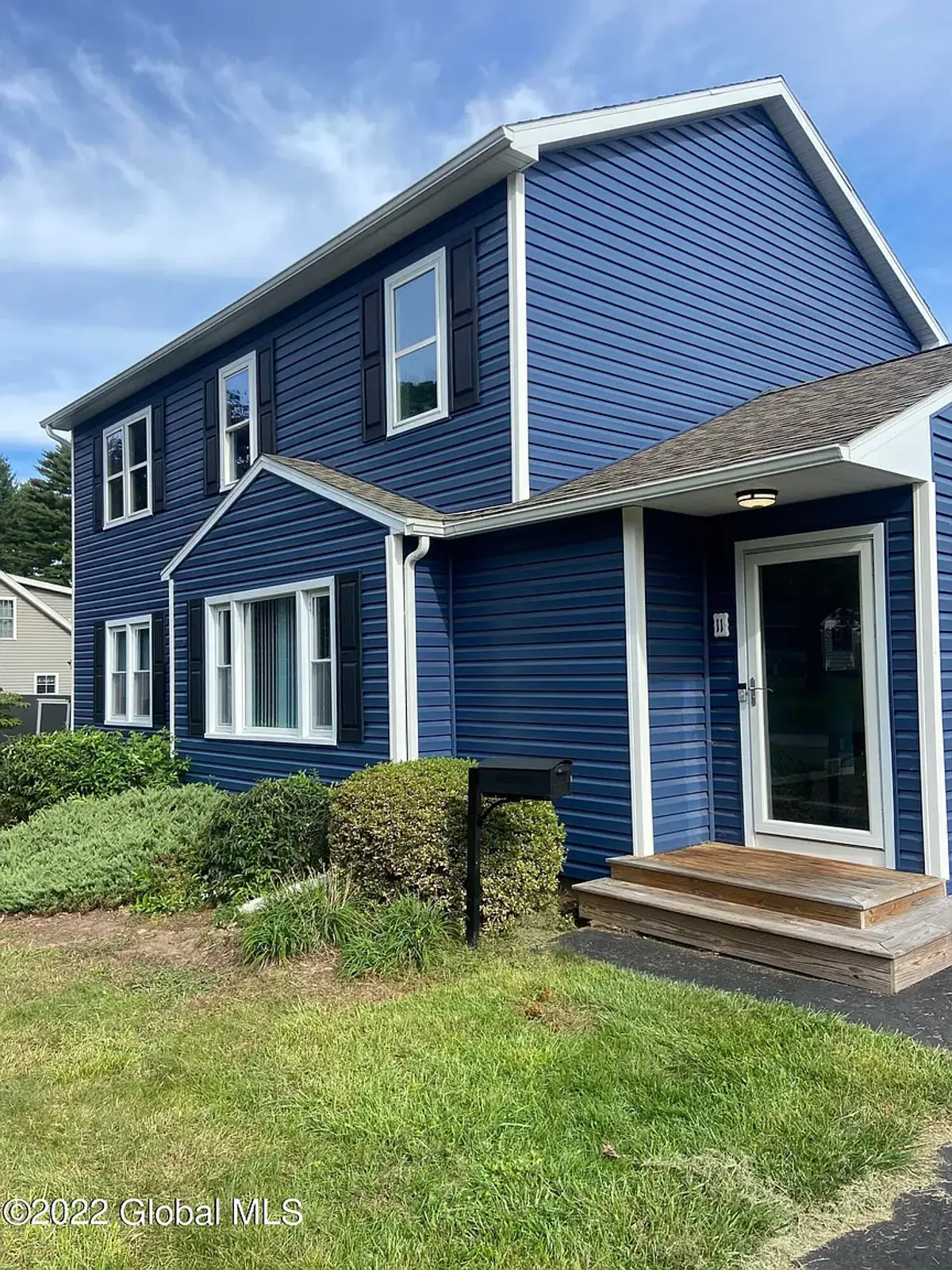
Cedar is the siding a lot of Chicagoland was built in, from Winnetka and Glencoe shake to Wilmette and Evanston clapboard, and it is the siding that punishes a thin paint job fastest. This is why, and what a quote has to include for the finish to last.
What lake weather does to cedar
Cedar moves. It takes on moisture in a wet April and gives it back in a dry August, and every cycle opens and closes the film on top of it. Around the lake that cycle is harsher than it is fifty miles inland: wind-driven rain gets behind shakes and into end grain, freeze and thaw pries open any joint that was not sealed, and the south and west elevations bake in a way a shaded north wall never does. Two things follow.
First, failure starts at the edges. Bottom courses that take splash from the ground, the butt ends of shakes, window sills, the underside of a porch roof, and anywhere two boards meet. The middle of a wall can look fine for years while the edges have already let water behind the coat.
Second, moisture trapped under a film is the enemy, not the weather itself. A crew that pressure-washes in the morning and paints the same afternoon has sealed water into wood that will push the paint off from behind by the following spring. That is where “peeling in sheets” comes from. It is not the paint. It is the day the paint went on.
Why the gray fibers matter
Bare cedar that has been exposed for a season turns gray. That gray layer is a film of degraded wood fibers, loosely attached to the sound wood underneath, and paint applied over it bonds to the gray, not the board. It looks fine on day one and lets go within a year. Any bare cedar has to be sanded or washed back to sound wood, and then primed, before a finish coat means anything.
The prep that holds
A cedar quote worth accepting names these steps, in this order:
- Wash and dry. A low-pressure wash with a cleaner that removes mildew, then at least two dry days, longer in shade. High pressure raises the grain and drives water into the wood.
- Scrape and sand what has failed. Every lifting edge comes off. Hard edges between old paint and bare wood get feathered so they do not telegraph through.
- Sand gray wood to sound wood. See above. This is the step that gets skipped when the price is low.
- Seal the end grain and open joints. Butt ends and the gaps around windows and corner boards get caulked with a sealant rated for exterior wood movement, not a hardware-store all-purpose tube.
- Prime bare wood. An oil or alkyd primer on bare cedar, because cedar’s tannins bleed through a water-based primer and stain the finish, especially on light colors.
- Two finish coats of an acrylic exterior paint, applied when the surface will stay above the product’s minimum overnight.
If a quote says “power wash and two coats” and nothing about scraping, sanding, sealing or priming, it is a quote for a cosmetic job that will need doing again in two seasons.
Shake versus clapboard
Shake has more edges per square foot than any other siding, and each edge is end grain. It takes longer to prep, drinks more primer, and usually needs a brush or a sprayer followed by back-brushing to get material into the gaps. Clapboard is faster per square foot but has long horizontal joints that hold water at the lap. Both want the same discipline; shake simply has more places for it to go wrong.
How this shows up in the price
Cedar prep is labor, and labor is most of any exterior price. A cedar home with sound paint that needs a wash, spot prep and two coats is one job. The same home with failing paint on the two elevations that face the lake is a different job, because those elevations need everything above before a finish coat goes on. That is why we do not publish a single exterior number: the prep condition of the wood decides the price more than the square footage does. What we do publish is the interior side of the business on the pricing page, and we walk every exterior before quoting it.
If you are comparing cedar painters, ask each one to name the elevations that need scraping, whether bare wood will be primed with an oil primer, and how many dry days they build in after washing. The answers separate a finish that lasts from one that looks good for a summer. Our exterior painting page covers what goes on each surface, and the Winnetka and Glencoe pages cover what the local housing stock tends to need.
FAQs
How often does cedar siding need repainting in Chicagoland?
A properly prepped and primed solid-color finish on cedar usually holds seven to ten years here. A semi-transparent stain is closer to three to five because it carries less pigment to block the sun. Lake-facing and south elevations go first either way.
Should cedar be painted or stained?
Paint hides the most, lasts longest, and is what most Chicagoland cedar already carries; once painted, it stays painted. Stain shows the grain and is easier to refresh without scraping, but needs doing more often. Bare or stain-finished cedar can go either way; painted cedar cannot go back.
Can you paint cedar in the fall?
Yes, while surface temperatures stay above what the product asks for through the night, usually around 50 degrees, and the wood is dry. A warm afternoon after a cold wet night is the trap: the wood has not dried and the coat seals the moisture in.